

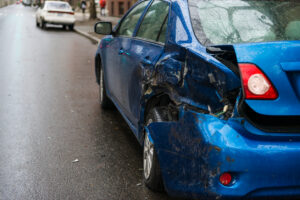
Being hit by a vehicle while walking can be a terrifying experience. When the driver leaves you injured without exchanging any details, you can only wonder who will pay for your care and how you will move forward. However, if this has happened to you or a loved one in Raleigh, North Carolina laws provide pathways to seek compensation, even when the driver cannot be immediately identified.
A hit-and-run attorney in Raleigh can help investigate the crash to pursue justice. The legal team at Ricci Law Firm Injury Lawyers can address your concerns and explain what to do to protect your future after a pedestrian accident.
If you need to speak with attorneys about your injuries and what you can do to secure compensation, contact our law firm today. Consultations are free and confidential.
Why Pedestrian Accidents Are So Serious
When a motorist collides with a pedestrian, there is a fundamental and dangerous mismatch. A several-thousand-pound machine traveling at significant speed meets the unprotected human body. There are no seatbelts, airbags, or crumple zones to absorb the force of the impact. This is why pedestrian accidents in Raleigh and across the state so frequently result in devastating, life-changing injuries.
Also, the speed of the vehicle is a major factor in the severity of the injuries. As highlighted by NC Vision Zero, the risk of serious harm or death for a pedestrian increases dramatically with even small increases in vehicle speed. A pedestrian hit by a motorist moving at 35 mph, for example, faces a much higher risk of death than someone struck at 20 mph.
How Common Are Pedestrian Accidents in North Carolina?
Pedestrian crashes remain a serious safety issue across North Carolina. Population growth, expanding road networks, and increased traffic volumes contribute to the risk faced by people walking near roadways.
According to the most recent NCDOT Crash Facts, pedestrian fatalities in North Carolina remain a concern, with 281 pedestrians dying in 2024 alone. Urban areas with higher traffic density, including Raleigh, account for a significant share of those incidents.
There are several trends that can help explain why pedestrian crashes are frequent in North Carolina:
- High-traffic corridors where vehicles move quickly through areas with foot traffic
- Poor lighting conditions, particularly at night or during early morning hours
- Distracted driving, including mobile phone use behind the wheel
- Limited crossing infrastructure in certain areas
What Makes Hit-and-Run Accidents So Challenging?
A hit-and-run collision adds layers of difficulty to an already complex injury claim. Identifying the driver responsible becomes the first obstacle. Challenges associated with handling a hit-and-run accident case include:
- Lack of Immediate Driver Information: When a driver leaves the scene, victims may not know the driver’s identity, insurance provider, or vehicle details. Witnesses and surveillance footage may provide clues, but gathering this evidence requires investigation.
- Delays in Accountability: Without identifying the driver, pursuing a claim directly against that person is impossible. Law enforcement investigations may take time, and in some situations, the driver is never located.
- Insurance Complications: Many people assume that compensation is unavailable if the driver disappears. However, insurance policies may still provide coverage depending on the circumstances.
- Emotional Stress for Victims: Hit-and-run incidents in Raleigh can leave victims feeling abandoned and frustrated. The sense that someone avoided responsibility can intensify the trauma connected with the crash.
While a hit-and-run complicates a claim, it should not extinguish your right to seek financial recovery for your injuries. North Carolina law provides specific avenues for victims in exactly this situation, but successfully handling them requires an understanding of the state’s insurance laws and a relentless pursuit of every available option.
Key North Carolina Pedestrian Laws That Could Affect Your Case
The rules of the road are key to a successful personal injury claim. North Carolina has specific laws governing pedestrian conduct and driver responsibilities. How these laws apply to the details of your case can have a massive impact on your ability to recover compensation.
Right-of-Way Laws
North Carolina law establishes clear rules about who has the right of way in different situations. Generally, drivers are required to yield the right of way to pedestrians in the following situations.
- In Marked Crosswalks: When a pedestrian is crossing within a marked crosswalk, drivers must stop and remain stopped to allow them to cross safely.
- At Intersections with Unmarked Crosswalks: Even if there are no painted lines, pedestrians have the right of way when crossing at an intersection.
- When a Pedestrian Is Crossing with a Walk Signal: If the pedestrian has a “walk” signal, drivers must yield.
- When a Vehicle Is Turning: Drivers turning left or right at an intersection must yield to pedestrians lawfully crossing the street.
However, pedestrians also have responsibilities under the law. They must obey traffic control signals and use crosswalks only when they are available. They are to yield the right of way to motorists outside of a marked crosswalk or intersection, commonly known as jaywalking.
If you were struck while crossing a street against a traffic signal, the defense and their insurance company may argue that you were jaywalking and therefore at fault for the accident. This allegation could mean you have no valid claim for compensation.
North Carolina’s Pure Contributory Negligence Rule
This is the single most important legal concept for any injury victim in North Carolina to understand. Under this rule, if you are found to be even 1% responsible for the accident, you are denied any compensation from the other party.
For victims of pedestrian accidents in Raleigh, this means that any argument that you were jaywalking, not paying attention, or otherwise contributed to the collision can be used to try to destroy your entire case. Insurance companies know this and will aggressively look for any evidence of pedestrian fault to deny your claim entirely.
What Are My Legal Options If the Hit-and-Run Driver Can Be Identified?
If investigators locate the driver responsible for the collision, the driver can now be held directly responsible for the harm they caused. There are several legal paths available, including a civil claim or lawsuit.
Personal Injury Claim Against the Driver
An injured pedestrian may pursue a claim against the at-fault driver’s liability insurance. This is a civil claim and its goal is to seek recovery for your losses. In this claim, you can seek compensation for the full range of damages you have suffered as a result of the accident. Your attorney will work to prove that the driver was negligent and that this negligence was the direct cause of your harm.
Civil Lawsuit
If insurance negotiations fail or coverage is insufficient, filing a civil lawsuit may be necessary. Litigation allows both sides to present evidence and arguments before a judge or jury. Filing a lawsuit is a powerful strategic tool. It signals to the insurance company that you have an attorney who is prepared to take the case all the way to trial if necessary. This pressure often motivates insurers to offer a much higher settlement than they would if you were simply negotiating informally.
Criminal Charges Against the Driver
Leaving the accident scene involving injury is a serious crime in North Carolina. If the driver is found, they will likely face criminal charges. While a criminal conviction does not directly provide you with financial compensation, it can be powerful evidence in your civil case. A guilty plea or conviction for hit-and-run can establish that the driver acted unlawfully, which can strengthen your claim against them.
What Are My Legal Options If the Hit-and-Run Driver Cannot Be Identified?
This is the scenario that frightens victims of hit-and-run crashes the most. This could leave you to wonder if you will be left alone to bear the significant financial burden of your injuries. While this situation is undoubtedly more challenging, being the victim of an unidentified driver does not mean you have no path to compensation. North Carolina law provides a safety net.
Uninsured Motorist (UM) Coverage
When a hit-and-run driver cannot be identified, your own auto insurance policy may become your primary source of financial recovery through uninsured motorist (UM) coverage. North Carolina requires drivers to have UM coverage as part of their auto insurance policy, and it is designed for situations where you are injured by a driver who has no insurance or who cannot be identified.
Additional Liability Sources
In some cases, you may still be able to seek coverage through a policy held by a relative you live with. One of the most direct paths is often through your own household’s policies. A pedestrian accident attorney in Raleigh, NC will meticulously examine every possible source of insurance, including:
- A business that overserved an impaired driver
- A municipality responsible for dangerous road conditions
- A vehicle owner who allowed an unsafe driver to use their car
Your lawyer will look into the case to determine whether additional claims exist. They will build a case to present to demonstrate that you were, in fact, struck by a vehicle whose driver fled, and that you are entitled to compensation.
What Are My Legal Options If a Family Member Was Killed in a Hit-and-Run?
Tragically, some pedestrian accidents result in fatalities. Raleigh families may face grief as well as sudden financial hardship. Just as with a non-fatal injury claim, your family may be able to seek compensation through the uninsured motorist (UM) coverage on your own auto insurance policies or those of household relatives. In the context of a wrongful death, the UM coverage can provide funds to pay the estate and surviving family members for their loss.
These claims aim to address both the financial impact and the human loss suffered by the family. A hit-and-run accident attorney can guide your family through this process with compassion, handling the legal distress so you can focus on grieving and healing.
Compensation in a Hit-and-Run Accident Case
In a personal injury claim, whether against an identified driver or through your own uninsured motorist coverage, the goal is to recover damages. These damages should include both current and long-term losses. Seeking the full scope of damages ensures you are not left paying out-of-pocket for the long-term losses. Potential recoverable damages in your hit-and-run accident case include:
- Medical Expenses: Hospital treatment, surgeries, medication, physical therapy, and future care needs can accumulate quickly. Catastrophic injuries may require ongoing rehabilitation or assistive devices.
- Lost Income: Victims may miss work during recovery or lose their ability to return to their previous occupation. Compensation may include both past lost wages and reduced earning capacity.
- Pain and Suffering: Physical and emotional distress, coupled with the disruption of daily life, are considered when determining damages.
- Long-Term Disability: When injuries cause permanent limitations, compensation may account for lifelong care needs, home modifications, and assistive services.
Sometimes, hit-and-run crashes may involve serious injuries. It is advisable to consult a lawyer early on who can accurately document these damages to build a comprehensive legal claim.
How Long Do I Have to File a Pedestrian Accident Lawsuit in North Carolina?
In any injury claim, there are deadlines that apply to filing the case. In most situations, North Carolina law allows a personal injury lawsuit to be filed within three years of the accident. However, if the accident results in death, the deadline is usually two years from the date of death.
While these time limits may seem generous, building a strong case takes time. Your attorney must gather and organize evidence. They will also need to interview witnesses and compile medical documentation, which requires significant time.
In hit-and-run cases, early investigation can be especially valuable. The sooner you enlist the support of an attorney, the sooner they can investigate and preserve the evidence needed to prove your claim.
Why You Need a Lawyer After a Hit-and-Run Accident in North Carolina
Legal claims involving pedestrian injuries can become complicated very quickly. Insurance companies closely evaluate these cases, especially because the state’s contributory negligence rule can bar recovery if they show partial fault. Your attorney comes in handy in the following ways:
- Investigating the Crash: This may involve obtaining surveillance footage, reviewing police reports, locating witnesses, and consulting accident reconstruction professionals.
- Handling Insurance Negotiations: Insurance adjusters focus on limiting payouts. Legal representation places someone on your side who understands the tactics insurers use during negotiations.
- Evaluating All Possible Sources of Compensation: Claims may involve multiple policies, additional liable parties, or uninsured motorist coverage.
- Preparing the Case for Litigation If Needed: When settlement discussions fail, filing a lawsuit may become necessary to pursue fair compensation.
The legal challenges of a hit-and-run claim can seem insurmountable. An attorney can guide you and build a claim that can stand the scrutiny of insurers and courts.
Contact Ricci Law Firm Injury Lawyers About Your Case
If you or a loved one has been injured in a hit-and-run in Raleigh, NC, you need a law firm with the experience, resources, and compassion to fight for you. At Ricci Law Firm Injury Lawyers, we have an impressive track record representing North Carolina families in their darkest hours, and we are ready to stand beside you.
Contact our law offices for a free, no-obligation consultation. Let us handle the legal process so you can focus on healing and moving forward.