

Raleigh Nursing Home Abuse Attorney
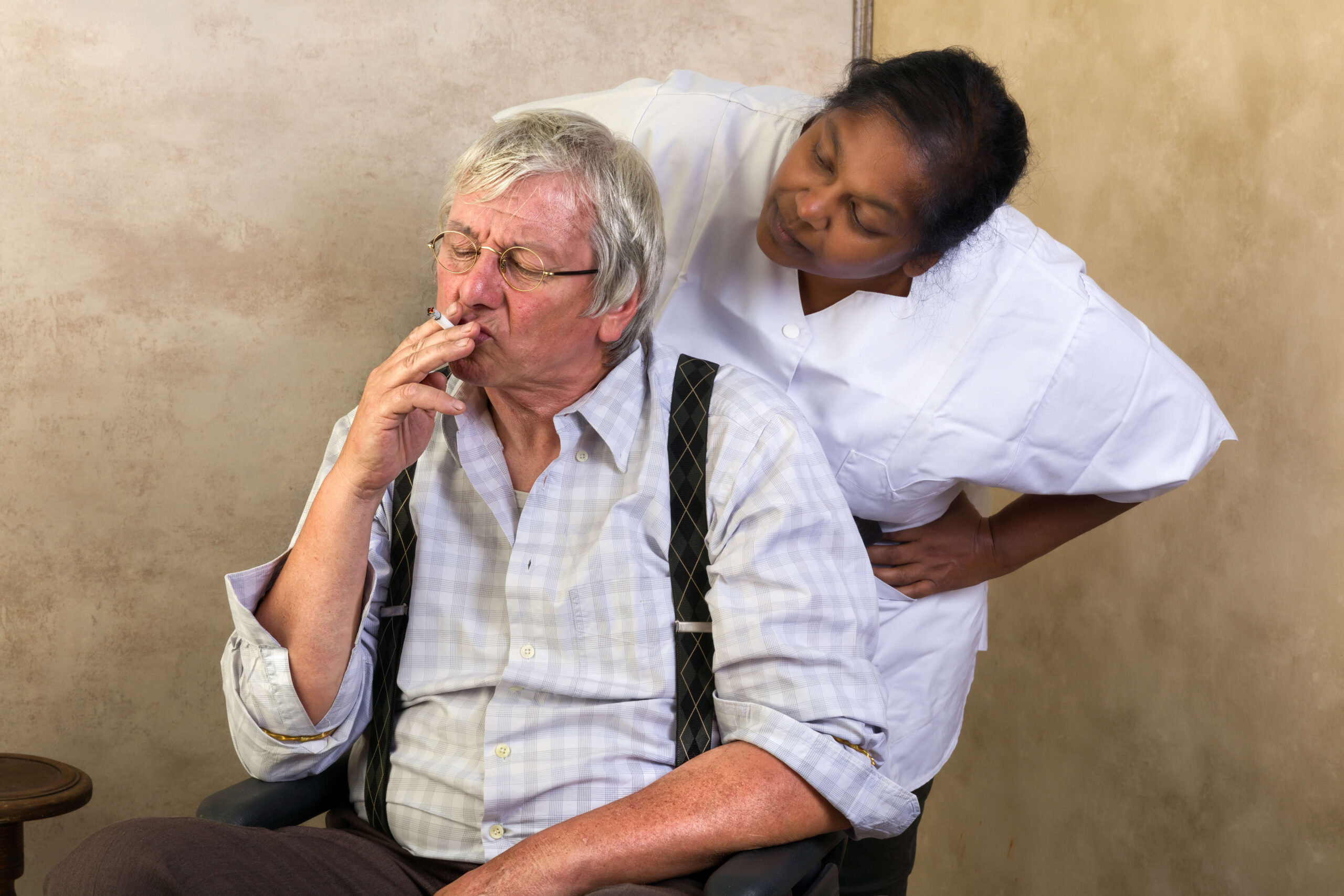
Choosing a nursing home or assisted living facility for a loved one is one of the hardest decisions a family can make. You expect the facility to provide care, comfort, and dignity. Unfortunately, not all nursing homes live up to that responsibility. Across North Carolina, countless seniors suffer from neglect and abuse in facilities that are supposed to protect them. When this happens, families need to know where to turn for help.
At Ricci Law Firm Injury Lawyers, our Raleigh nursing home abuse attorney law firm fights to hold negligent facilities accountable and protect vulnerable seniors from harm. Our exceptional service and compassion have earned us the reputation of being the attorneys who are on top of it. If you suspect your loved one is being mistreated, our team is here to listen, investigate, and take immediate action.
Understanding Nursing Home Abuse in Raleigh
Nursing home abuse occurs when residents are mistreated, neglected, or exploited by caregivers, staff, or even other residents. Abuse can take many forms, from physical harm and emotional torment to financial exploitation and neglect of basic needs. Because elderly residents are often frail, ill, or cognitively impaired, they are particularly vulnerable to harm. Making matters worse, they are less able to defend themselves.
Nursing home abuse in Raleigh is not just a personal tragedy. It is also a violation of North Carolina law and federal regulations designed to protect residents’ rights. Families who discover abuse or neglect have both the right and responsibility to act.
Types of Nursing Home and Elder Abuse
Abuse in nursing homes and senior car facilities is not always obvious. It can take many forms, and each can have devastating consequences for residents.
Physical Abuse
Physical abuse includes hitting, slapping, pushing, or using unnecessary restraints. Even rough handling during transfers can cause bruises, broken bones, or head injuries.
Emotional and Psychological Abuse
Staff may yell at, belittle, or isolate residents. Emotional abuse can cause depression, anxiety, withdrawal, or sudden changes in behavior.
Sexual Abuse
Non-consensual sexual contact is a tragic reality in some facilities. Victims may be too frightened or unable to communicate what happened.
Neglect
Neglect occurs when staff fail to meet the basic needs of residents. This can include failing to provide essential items such as food, hydration, clean clothing, or proper medical care. Bedsores, malnutrition, dehydration, and infections often stem from neglect.
Financial Exploitation
Unscrupulous caregivers may steal from residents, pressure them into signing financial documents, or misuse their bank accounts.
Resident-on-Resident Abuse
Sometimes abuse occurs between residents, especially when assisted-living facilities fail to supervise adequately. This can involve physical altercations or harassment among seniors.
Warning Signs of Nursing Home Abuse
Because seniors may not always be able to speak up, families must remain vigilant for warning signs that something is wrong. Some red flags include:
- Unexplained bruises, cuts, or broken bones
- Bedsores or frequent infections
- Sudden weight loss or signs of malnutrition
- Withdrawal, fearfulness, or mood changes
- Poor hygiene or soiled clothing and bedding
- Reluctance to be alone with certain staff members
- Missing personal items or unexplained financial transactions
- Staff who refuse to answer questions or prevent private visits
Trust your instincts. If your loved one’s condition or demeanor changes suddenly and without explanation, it may be a sign of abuse or neglect.
Getting Your Elderly Loved One to Safety
If you suspect abuse in a Raleigh nursing home, your priority should be your loved one’s safety. Depending on the circumstances, this may mean:
- Removing them from the facility immediately if the danger is urgent.
- Reporting your concerns to the North Carolina Division of Health Service Regulation (DHSR) or local Adult Protective Services.
- Contacting law enforcement if you believe a crime has occurred.
After ensuring your loved one is safe, consult with a Raleigh nursing home abuse lawyer to discuss your legal options. Our attorneys can investigate the facility, preserve evidence, and file a claim for damages.
Why Raleigh Families Choose Our Law Firm for Nursing Home Abuse Cases
Families across Raleigh and Eastern North Carolina trust Ricci Law Firm Injury Lawyers because we combine legal knowledge with compassion, treating every client like family. Our elder abuse lawyers work on a contingency fee basis, meaning you pay nothing unless we win your case.
We are also deeply committed to the communities we serve, and we believe in looking after the most vulnerable neighbors. To us, advocacy goes beyond the courtroom; it’s about making a difference where we live and work and for the people we care about.
Common Reasons for Nursing Home Neglect and Abuse
While every case of nursing home abuse is unique, some recurring issues make mistreatment more likely. Understanding the root causes of abuse and neglect can help families recognize risks and hold facilities accountable.
Chronic Understaffing
One of the most significant factors in nursing home neglect is chronic understaffing. Many facilities operate with too few staff members to adequately care for their residents. When a single caregiver is responsible for an excessive number of patients, basic needs such as bathing, feeding, and repositioning may be overlooked. Overworked staff members are also more prone to mistakes, fatigue, and frustration, which can lead to unintentional or even intentional harm.
Inadequate Training
Even when staffing levels are sufficient, poorly trained employees may not know how to handle residents with complex medical conditions, dementia, or mobility challenges. Without proper training in patient care, infection control, or emergency response, staff may fail to meet professional standards, resulting in neglect or unsafe practices.
High Staff Turnover
Nursing homes in Raleigh and across the country struggle with high turnover rates. When employees constantly leave and new staff are hired, residents may experience inconsistent care. Frequent turnover can also mean caregivers are unfamiliar with residents’ individual needs or medical histories, increasing the risk of neglect.
Poor Supervision and Management
Neglect often stems from systemic problems at the management level. Facilities that lack proper oversight may allow unsafe practices to continue unchecked. When supervisors fail to monitor staff performance, investigate complaints, or enforce safety policies, residents are placed at risk of harm.
Pressure to Cut Costs
Some nursing homes, particularly those operated by large corporations, may prioritize profits over the care of their residents. Cutting corners on staffing, medical supplies, or facility maintenance can reduce expenses, but it can also create dangerous conditions. Families may notice signs of neglect in the form of inadequate meals, unclean facilities, or delayed medical care.
Lack of Accountability
In some cases, abuse occurs because staff members believe they will not be held accountable. If a facility does not properly investigate complaints, discipline abusive employees, or report incidents as required by law, a culture of silence can develop. This lack of accountability enables further abuse and neglect.
Nursing Home Abuse in Raleigh
Raleigh is home to numerous nursing and assisted living facilities, ranging from large, corporate-run centers to smaller, private homes. Facilities near WakeMed, UNC REX Healthcare, and downtown Raleigh serve hundreds of elderly residents. Unfortunately, not all facilities provide the same level of care.
Overcrowding, understaffing, and high employee turnover are common issues. When staff are stretched too thin, neglect and mistakes become more likely to occur. By holding negligent facilities accountable, families not only protect their loved ones but also help improve standards of care for the entire community.
Proving Nursing Home Abuse in Court
To succeed in a nursing home abuse or neglect case, families must do more than point to signs of mistreatment. North Carolina law requires proof that the facility or its staff acted negligently, or in some cases intentionally, and that this misconduct directly harmed your loved one. Establishing liability typically involves four key elements.
The Facility Owed a Duty of Care
Every licensed nursing home in Raleigh has a legal duty to provide residents with reasonable care. This duty includes meeting residents’ basic needs for food, hydration, hygiene, and medical treatment, as well as protecting them from harm caused by unsafe conditions or abusive staff. By admitting your loved one into their care, the facility assumes responsibility for their well-being.
The Facility Breached That Duty
The next step is showing that the nursing home failed to meet its duty. A “breach” can take many forms: neglecting to turn residents to prevent bedsores, failing to provide proper nutrition, ignoring medical conditions, or hiring unqualified staff. Abuse can also be intentional, such as physical assaults, emotional mistreatment, or financial exploitation. Even systemic issues—like understaffing or poor training—can amount to a breach of duty.
The Breach Directly Caused Harm
It is not enough to show that the nursing home acted poorly. Families must prove that this misconduct directly caused harm to their loved one. For example, if a resident developed severe bedsores because staff failed to reposition them regularly, the connection between the neglect and the injury is clear. Similarly, if malnutrition is linked to the facility’s failure to provide adequate meals, liability can be established.
The Harm Resulted in Damages
Finally, the case must show that the harm led to measurable damages. These damages may include medical expenses for treating infections or fractures, the resident’s pain and suffering, or emotional trauma caused by neglect or abuse. In the most serious cases, damages may involve wrongful death, where surviving family members seek compensation for funeral expenses, loss of companionship, and other losses.
Types of Evidence That Strengthen a Nursing Home Abuse Case
Strong evidence is critical to proving each of these elements.
Medical records can reveal injuries or conditions that developed while the patient was under the facility’s care.
Witness testimony from staff members, other residents, or visitors can corroborate mistreatment.
Photographs of injuries or unsafe conditions provide powerful visual proof. Surveillance footage, if available, can capture incidents of abuse or neglect in real time.
Finally, expert reports from medical professionals or long-term care specialists can explain how the facility’s actions fell below accepted standards.
How Our Raleigh Elder Abuse Lawyers Can Help
Our experienced nursing home abuse attorneys in Raleigh understand how to effectively collect, preserve, and present this evidence. They understand the tactics nursing homes and their insurers use to avoid responsibility, and they have the resources to build a compelling case.
From subpoenaing records to working with medical experts, your nursing home abuse attorney’s role is to ensure the truth comes to light and your loved one’s rights are protected.
Damages Available in Nursing Home Abuse Cases
Compensation in a nursing home abuse lawsuit may include:
- Medical expenses related to the abuse or neglect
- Pain and suffering endured by the resident
- Emotional distress and psychological trauma
- Costs of relocating to a safer facility
- Punitive damages in cases of egregious misconduct
If the abuse results in death, families may also pursue a wrongful death claim for funeral expenses, lost companionship, and other damages.
The Statute of Limitations in North Carolina
Like other personal injury claims, nursing home abuse cases are subject to a time limit. In most cases, families have three years from the date of the abuse or neglect to file a lawsuit. For wrongful death claims, the deadline is typically two years from the date of death.
Frequently Asked Questions About Nursing Home Abuse
Can I move my loved one to another senior-living facility during an investigation?
Yes. In fact, removing them from the abusive environment is often the safest course of action.
What if the nursing home denies wrongdoing?
Facilities often deny allegations, but a well-versed elder abuse lawyer can uncover evidence and hold them accountable for their actions.
Are nursing homes liable for staff misconduct?
Yes. Facilities are responsible for the actions of their employees and for maintaining safe conditions.
How long will my nursing home abuse case take?
The timeline varies depending on the challenges of the case and whether a settlement is reached. Some cases are resolved within months, while others may take longer.
Contact Our Raleigh Nursing Home Abuse Attorney Law Firm
Discovering that a loved one has been abused or neglected in a nursing home is heartbreaking. But you are not powerless. By working with Ricci Law Firm Injury Lawyers, you can hold negligent facilities accountable, secure compensation for your family, and protect your loved one’s dignity.
To request a free consultation with our experienced Raleigh nursing home abuse attorneys, contact our law firm online. You can also call our office at (252) 777-2222 to speak with our team.