

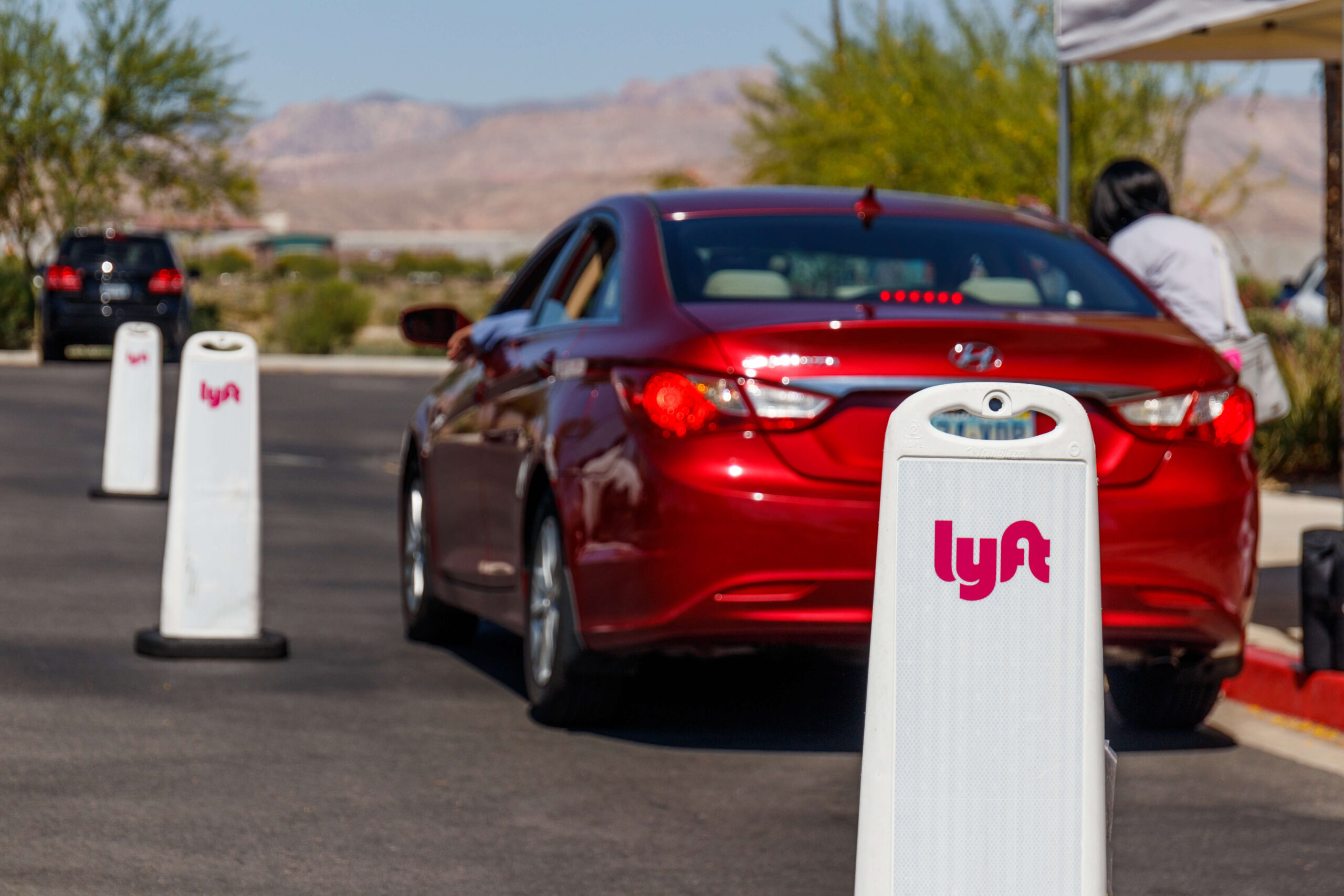
In general, yes. Consulting a Raleigh attorney after a Lyft accident is highly advisable because claims involving the rideshare company are governed by unique insurance systems and legal technicalities that can be difficult to handle alone. A Lyft accident lawyer can review available insurance coverage, assess responsibility for the collision, and explain how state personal injury laws apply to the claim.
Working with a Lyft accident lawyer in Raleigh, NC also provides injured individuals with clear guidance during a process that can otherwise feel overwhelming. An attorney from Ricci Law Firm Injury Lawyers can explain legal rights, outline potential recovery options, and assist with pursuing compensation from the appropriate insurance carriers or responsible parties.
App Off Period
When the Lyft driver app is off, only your personal auto insurance applies, but no Lyft coverage. The challenge with the period is that many personal policies exclude coverage if the car was being used for commercial purposes, leading to potential disputes and claim denials.
Is Lyft Responsible for Their Rideshare Drivers’ Negligence?
While many people assume that Lyft is automatically responsible for a driver’s actions, the legal reality is more nuanced. Liability in Lyft accident cases is rarely straightforward.
How Lyft Limits Liability for Drivers’ Actions
Rideshare companies structure their business models to limit direct liability by recognizing drivers as independent contractors rather than employees. This distinction affects when, and to what extent, Lyft may be held financially responsible for a driver’s negligent conduct.
In traditional employment relationships, employers may be held liable for employee negligence under established liability principles. Lyft’s independent contractor model changes that analysis.
Instead of direct responsibility for a driver’s actions, Lyft’s involvement is often addressed through insurance coverage rather than fault-based liability. As a result, claims typically focus on which insurance policy applies rather than whether Lyft itself caused the crash.
Lyft’s Role in an Accident Is Still Important to Note
Even so, Lyft’s role cannot be ignored. The company controls access to the rideshare platform, sets operational standards, and provides insurance coverage that becomes active depending on driver activity within the app. Determining whether Lyft’s coverage applies requires close examination of trip data, driver status, and policy terms. These factors often lead to disputes between insurers and delay the resolution of claims.
Because of these challenges, Lyft accident cases demand careful legal analysis. Several parties can bear responsibility, including the Lyft driver, other motorists, and insurance providers. Your Lyft accident attorney understands how these layers interact and how rideshare accident claims differ from standard car accident cases, which makes them better positioned to build a winning case.
Permitting the Use of Unsafe Lyft Vehicles
Lyft requires drivers to meet baseline vehicle standards, but responsibility does not end with initial approval. Vehicles used for rideshare services are often on the road for extended hours, increasing wear and the likelihood of mechanical issues. When inspections are outdated or safety requirements are not actively enforced, unsafe vehicles may remain in service and expose passengers to preventable harm.
Failures in monitoring vehicle condition can become legally relevant when defects such as faulty brakes, worn tires, or malfunctioning safety features contribute to a crash. In these situations, questions arise about whether Lyft exercised reasonable oversight over the vehicles it allows on its platform.
Failing to Remove Dangerous Lyft Drivers
Driver safety is closely tied to how rideshare companies respond to complaints, reports, and prior incidents. When passengers or other motorists raise concerns about reckless driving, aggressive behavior, or repeated safety violations, those warnings may signal a heightened risk. Allowing a driver to continue accepting rides despite documented issues can increase exposure to liability.
Claims based on driver retention focus on whether Lyft acted reasonably once safety concerns became known. If corrective action is delayed or ignored and an injury occurs, the company’s response, or lack of one, may become a central issue in the case.
Inadequate Monitoring of Lyft Drivers’ Actions
Lyft collects trip data, user feedback, and performance metrics through its platform. This information can reveal patterns of unsafe conduct, such as speeding, abrupt driving, or repeated complaints from riders.
When monitoring systems fail to identify or address ongoing safety concerns, passengers may be placed at unnecessary risk. Legal scrutiny focuses on whether Lyft effectively used its monitoring data. Simply having monitoring tools is not sufficient if warning signs were ignored.
Hiring Lyft Drivers with a Known Risky Background
Driver screening plays a significant role in rideshare safety. While Lyft conducts background checks during the onboarding process, gaps in screening or reliance on incomplete records may allow drivers with prior safety-related issues to operate on the platform. When a driver’s history indicates a foreseeable risk, failures in screening or retention can raise serious legal questions.
In injury claims involving driver background concerns, the focus is on whether Lyft took reasonable steps to identify and address potential dangers before allowing a driver to transport passengers. These cases require that a Lyft accident lawyer examine the hiring practices, screening standards, and decision-making processes to make a robust claim.
Who Else Can Be Liable for a Lyft Accident?
Liability in a Lyft accident is not always limited to the rideshare driver or the company’s insurance coverage. Many collisions involve additional parties whose actions or failures contribute to the crash. Identifying these third parties is an important part of evaluating a claim, particularly when injuries are serious or available insurance coverage is limited.
- Other Drivers on the Road: Other motorists’ careless or reckless driving is a frequent cause of Lyft accidents. Speeding, distracted driving, failure to yield, or impaired driving can place Lyft passengers and drivers in danger. When a third-party driver causes or contributes to the collision, a personal injury claim may be pursued against that individual and their auto insurance carrier.
- Automakers or Vehicle Manufacturers: Defective vehicle components can also play a role in Lyft accidents. Issues involving brakes, airbags, steering systems, or tires may lead to loss of control or worsen the severity of injuries. When a manufacturing or design defect contributes to a crash or injury, a product liability claim may be brought against the automaker or parts manufacturer.
- Government Entities Responsible for Road Maintenance: Poor road conditions can create hazards that increase the risk of an accident. Potholes, inadequate signage, malfunctioning traffic signals, or unsafe road design may contribute to collisions involving Lyft vehicles. These claims proceed under the North Carolina Tort Claims Act for state entity claims, which are subject to special notice requirements and legal limitations.
- Property Owners or Businesses: Accidents sometimes occur in parking lots, private driveways, or commercial areas where premises owners have a duty to maintain safe conditions. Inadequate lighting, obstructed visibility, or unsafe traffic flow can contribute to crashes. When a property owner’s negligence plays a role, a premises liability claim may be available.
- Contractors or Construction Companies: Road construction zones present unique dangers when not properly managed. Missing warnings, improper lane closures, or unsafe worksite conditions can cause confusion and lead to accidents. Construction companies or contractors responsible for the work may be held accountable when their actions contribute to a Lyft-related collision.
- Employers of At-Fault Drivers: If a third-party driver was working at the time of the accident, that driver’s employer may share responsibility. Delivery drivers, commercial operators, and other workers on the road may be covered by employer liability policies. These claims require examination of the driver’s job duties and work status at the time of the crash.
Because Lyft accident cases often involve overlapping causes and multiple parties, determining who may be liable requires careful analysis of the facts. And since third-party claims can expand the scope of available compensation, it’s advisable to work with a Lyft accident lawyer in Raleigh to seek adequate recovery.
Reasons for Working With a Lawyer for Your Lyft Accident Claim
Before deciding how to move forward after a Lyft accident, it helps to understand what pursuing a claim actually involves. Rideshare cases are different from standard car accident claims, and can have unique challenges that can make it difficult to know where to begin or how to protect your interests while recovering. Here are the reasons to choose to seek legal guidance when dealing with a Lyft accident case:
Building a Legal Case May Be Hard for Injured Victims
After a Lyft accident, injured victims are often focused on physical recovery, medical appointments, and managing time away from work. Building a legal case during this period can feel overwhelming. Important evidence, such as crash reports, witness statements, medical records, and app data, must be gathered and preserved early, sometimes before an injured person is even aware of what information matters.
Your car accident lawyer can help organize and present this information in a way that clearly shows how the accident happened and how it affected the victim’s life. Without support, you may miss deadlines, overlook key details, or struggle to connect your injuries to the crash.
Decoding Insurance Policies
Lyft accident claims involve layered insurance coverage that changes based on the driver’s activity within the app. Personal auto policies, Lyft’s contingent coverage, and commercial policies may all come into play. Your attorney will review the crash details and determine which insurance policies are responsible for paying damages. This includes identifying coverage limits, exclusions, and conditions that may affect recovery.
Tackling Insurance Companies
Insurance companies are businesses that work to limit payouts whenever possible. It is not uncommon for adjusters to request recorded statements, question the severity of injuries, or suggest quick settlements that do not reflect the full impact of the accident. These tactics can be confusing and intimidating for someone without legal support. Your legal advocate will handle communication with insurers and push back against unfair settlement practices.
Determining Clear Liability
Lyft accidents often involve more than one potentially responsible party. It is also possible that fault be shared between the Lyft driver, another motorist, or a third party such as a vehicle manufacturer or property owner. To determine who is responsible, your attorney will undertake a careful review of evidence, traffic laws, and accident circumstances. They will examine these factors to strengthen the claim and expand potential sources of compensation.
Calculating and Pursuing Maximum Compensation
The full cost of a Lyft accident is not limited to immediate medical bills. There is the aspect of ongoing treatment, reduced earning capacity, and physical or emotional effects that can create long-term financial strain. However, without legal guidance, it is possible to overlook these losses when negotiating on your own.
Your lawyer has the experience and skill to evaluate both current and future damages to pursue compensation that reflects the true impact of the injury. This includes documenting medical needs, income losses, and the ways the injury affects daily life so as to seek a comprehensive outcome.
Contact Our Raleigh Lyft Accident Attorneys Today
Working with a lawyer for your Lyft accident claim in Raleigh, NC gives you a significant advantage. The Lyft accident attorneys at Ricci Law Firm Injury Lawyers are ready to take on your case and fight for a fair resolution. To schedule your free case evaluation, contact our law firm online.